ESD-Safe Carts

T-slot aluminum carts with verified electrostatic dissipative grounding paths, ESD-dissipative deck surfaces, and operator wrist strap connection points — engineered to meet ANSI/ESD S20.20 requirements for handling printed circuit boards, semiconductor components, lithium battery cells, and other electrostatic-sensitive devices.
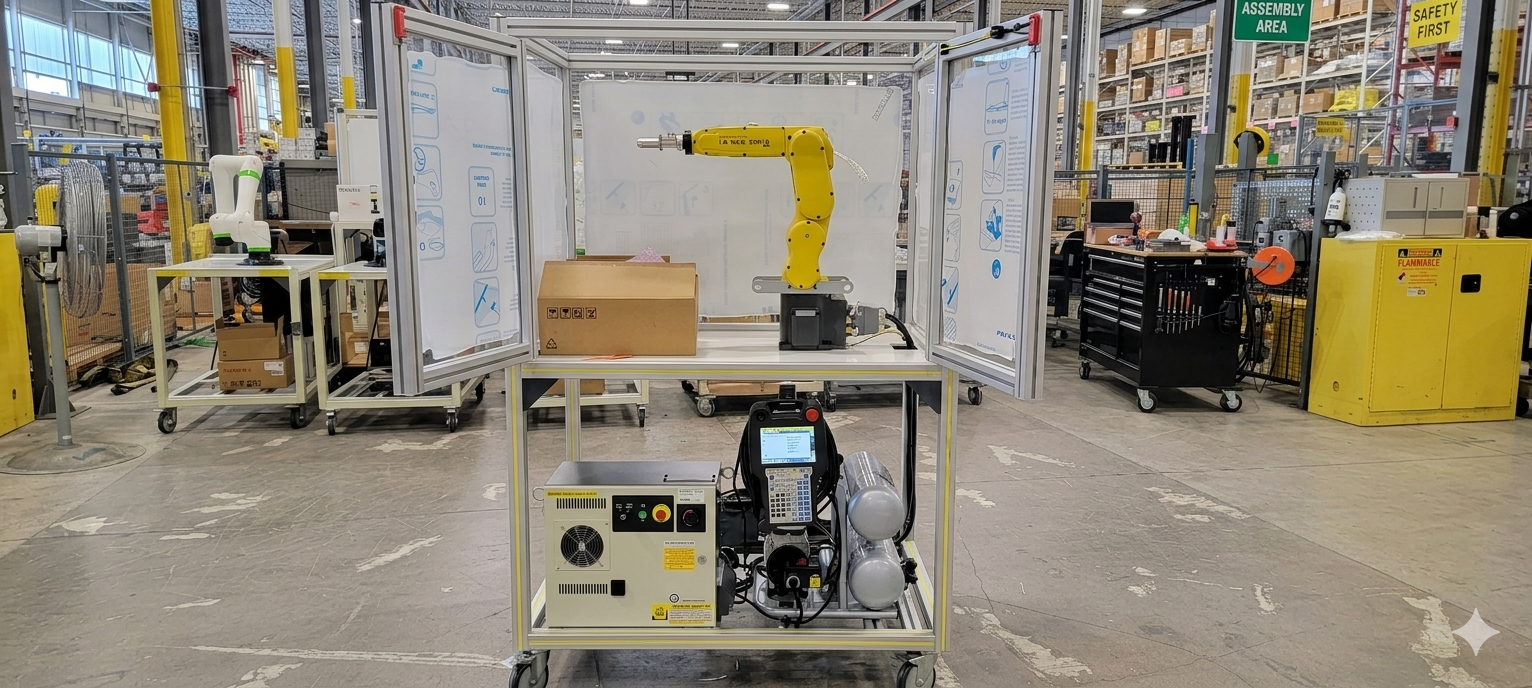
Why Choose Modular Solutions for ESD-Safe Carts?

ESD protection is not a surface treatment — it is a system. Every component of the cart, from the deck surface to the caster tread, is engineered as part of a complete electrostatic control solution.

Resistance Values Specified and Verified

Surface resistance and point-to-ground resistance are specified on every ESD cart design and measured on every completed cart. You receive the actual measured values with your cart, not just a claim of ESD compliance. This documentation is required for ANSI/ESD S20.20 program audits and supports your ESD control program records.

Complete Grounding Path Engineering

The grounding path — from deck surface through frame through caster tread to the ESD floor — is designed as an integrated system, not assumed to work because each component is individually ESD-rated. Electrical continuity through each interface (surface-to-frame, frame-to-caster) is verified during cart testing.

Aluminum Frame Is Inherently Conductive

T-slot aluminum extrusion is electrically conductive, which makes it an ideal structural material for ESD carts. The aluminum frame forms the backbone of the grounding path from any deck surface position to the casters. No additional grounding straps are needed within the frame structure itself.

Wrist Strap Connection Points Integrated

Operator grounding is as important as cart surface grounding. Wrist strap connection points are integrated into the T-slot upright frame at ergonomically appropriate locations, allowing operators to ground themselves to the same dissipative path as the cart. This is standard on all ESD cart designs.

ESD and Cleanroom Combined in One Design

Semiconductor fabs, LED manufacturing, and MEMS facilities require both ESD control and cleanroom contamination control simultaneously. ESD-dissipative cleanroom laminates, sealed T-slot channels, and anodized framing allow a single cart design to satisfy both requirements without compromise.

Reconfigurable Without ESD Compromise

T-slot framing allows cart reconfiguration using standard hex tools. When shelf height or surface layout changes are required, the modified cart is re-verified for resistance values before returning to the ESD-protected area. No welding, painting, or shop re-work is needed — the ESD properties are inherent to the materials, not applied coatings.

Key Features & Benefits

The components and design details that make an ESD-safe cart actually safe — not just labeled safe.

ESD-Dissipative Deck Laminate (10^6–10^9 Ω)

Deck surfaces are specified in ESD-dissipative laminate with surface resistance in the 10^6 to 10^9 ohm range per ANSI/ESD S20.20. This dissipative range allows charge to drain safely without creating the fast-discharge event that damages sensitive components. Laminate surfaces are durable, easy to clean, and available in standard ESD gray or custom colors.

Carbon-Loaded Conductive Casters

ESD casters use carbon-loaded polyurethane tread that maintains electrical contact with ESD flooring. Caster resistance is specified to maintain the complete deck-to-floor grounding path. Caster frames are stainless steel or aluminum for corrosion resistance and compatibility with cleanroom and food-grade environments where applicable.

Grounding Lug or Ground Cord Provision

For facilities without ESD flooring, a grounding lug is integrated into the cart frame at the lower upright, accepting a standard 4mm banana plug ground cord. This allows the cart to be connected to a facility ground point, completing the dissipative path without relying on caster-to-floor contact.

Snap-In Wrist Strap Receptacles

Standard 4mm snap receptacles for coiled wrist strap cords are installed at the upright face at standing-height ergonomic position. Multiple receptacles can be installed on carts with multiple operator positions. Wrist strap testing jacks can be specified for facilities that require daily wrist strap testing at the cart position.

ESD-Safe Bin and Component Holder Accessories

T-slot upright faces accept ESD-safe bin rails and component holder accessories. ESD-pink polyethylene bins, anti-static foam holders, and dissipative bin rails mount to the T-slot frame without additional drilling. The accessory mounting hardware maintains the grounding continuity of the overall cart system.

Resistance Test Documentation Included

Each ESD cart is delivered with a test report documenting point-to-point resistance measurements from multiple deck surface positions to the ground reference point. Measurements are taken with the ANSI/ESD STM 4.1 test method using calibrated equipment. This report is retained in your ESD control program documentation.

Common Applications

ESD-safe aluminum carts are deployed wherever electrostatic-sensitive devices are handled, staged, or transported.

Specifications & Configurations

Standard design parameters for ESD-safe aluminum carts. All specifications customized to your ANSI/ESD S20.20 program requirements.

SpecificationDetail
Frame Profile45 Series T-slot aluminum; electrically conductive; anodized finish
ESD Standard ReferenceANSI/ESD S20.20; IEC 61340-5-1
Deck Surface Resistance1×10^6 to 1×10^9 ohms (dissipative range)
Point-to-Ground Resistance1×10^6 to 1×10^9 ohms from any deck position to ground
Deck Surface MaterialESD-dissipative laminate; optional ESD-dissipative cleanroom laminate
CastersCarbon-loaded conductive polyurethane tread; stainless or aluminum frame
Wrist Strap Connection4mm snap receptacle at upright face; ergonomic standing height
Ground ProvisionGrounding lug at lower frame for ground cord connection (4mm banana)
Test DocumentationPoint-to-point resistance test report per ANSI/ESD STM 4.1 included
Lead Time4 to 6 weeks from approved drawings

Frequently Asked Questions

Common questions about ESD-safe carts from Modular Solutions.

What resistance values are required for an ESD-safe cart surface?

ANSI/ESD S20.20 defines electrostatic dissipative materials as having surface resistance in the range of 1×10^6 to 1×10^9 ohms. This range allows charge to dissipate slowly enough to avoid a damaging discharge event, while fast enough to prevent charge accumulation. Conductive materials (below 1×10^6 ohms) are generally not recommended for cart deck surfaces because they allow too-rapid discharge, which can also damage sensitive components.

How does the grounding path work on an ESD-safe cart?

The grounding path on an ESD-safe cart goes from the dissipative deck surface through the T-slot aluminum frame — which is electrically conductive — down to the casters. ESD-safe casters use carbon-loaded or conductive polyurethane tread that maintains electrical contact with the ESD floor. This path allows charge that reaches the deck to dissipate to ground through the floor, rather than accumulating on the cart and discharging through a sensitive component placed on it.

Do ESD-safe carts need to be used on ESD flooring?

The complete ESD protection system depends on a conductive path to ground. ESD-safe casters provide the dissipative link, but the floor itself must also be an ESD floor or the cart must be connected to a ground point via a ground cord. In facilities with full ESD flooring, the cart-to-floor-to-ground path is complete. In areas without ESD flooring, a ground cord from the cart frame to a facility ground point is required.

Can the wrist strap connection point on the cart ground an operator?

Yes. Wrist strap connection points integrate with the T-slot upright frame, providing a convenient attachment point for the operator's wrist strap cord. When connected, the operator's body charge dissipates through the same cart-to-floor grounding path. This is particularly important in high-risk assembly operations where the operator is handling sensitive devices directly.

Are ESD-safe carts compatible with cleanroom use?

Yes. ESD-dissipative laminate surfaces are available in cleanroom-grade formulations with low particle generation and chemical resistance to IPA and hydrogen peroxide. When combined with sealed T-slot channels, anodized framing, and stainless steel fasteners, a single cart design can satisfy both ESD and cleanroom requirements simultaneously.

Need an ESD-Safe Cart for Your Protected Area?

Share your ESD program standard, facility floor type, and the components being handled. Our engineering team will design a cart with verified resistance values and the documentation your ESD control program requires.

Request an ESD Cart Quote Call 248-625-1864

Modular Solutions — 4280 Giddings Rd, Auburn Hills, MI 48326