Animal Cages & Containment Areas

Modular enclosure and containment systems for research animal housing, veterinary facility use, and biomedical research applications — 316 stainless steel-compatible frame hardware preventing corrosion in high-humidity environments, smooth interior surfaces without crevices that harbor bacteria or injure animals, drainage-compatible floor-to-frame connections, and fully reconfigurable enclosure geometry to match changing protocol and housing requirements.

Request a Quote
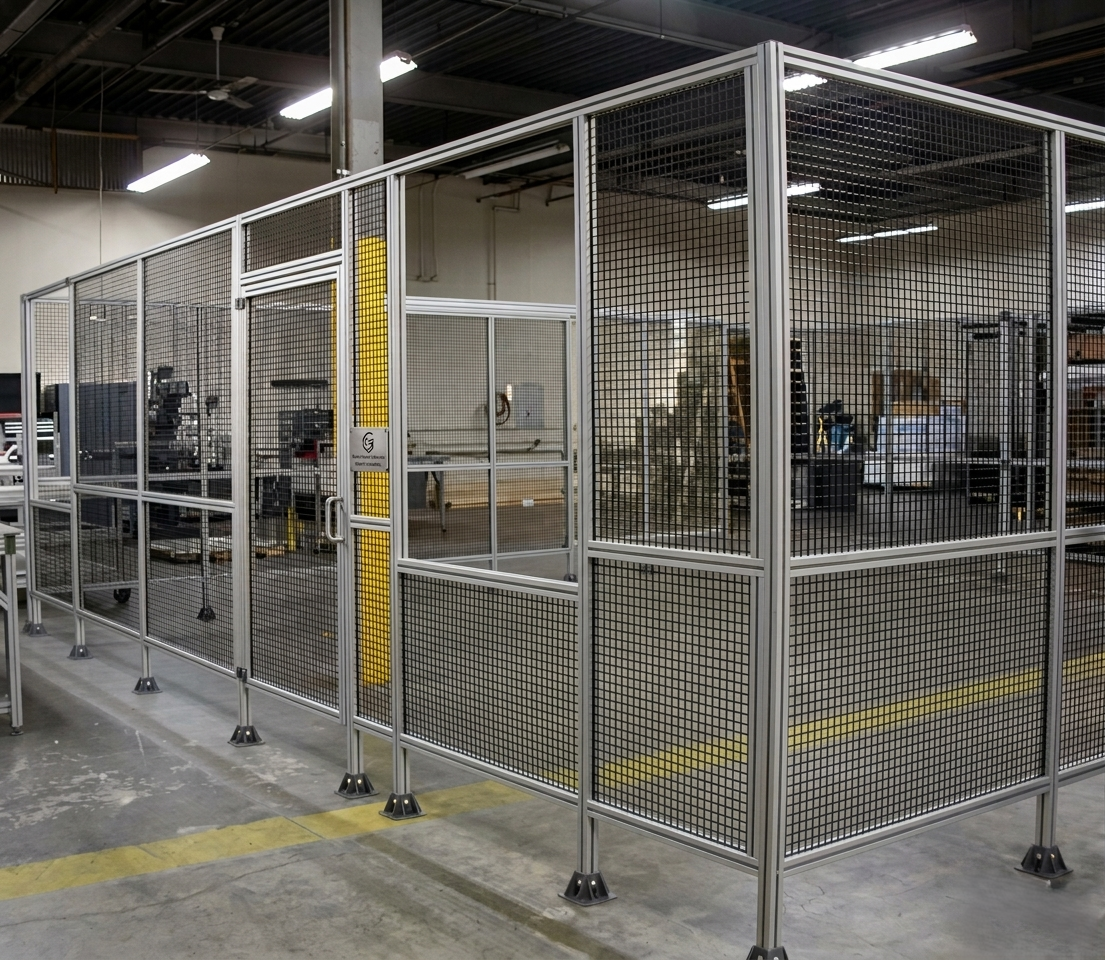
Why Choose Modular Solutions for Animal Containment Areas?

Research animal housing requires containment systems that meet IACUC protocol requirements, support facility sanitation programs, and adapt as research protocols evolve — modular enclosures provide all three.

316 SS-Compatible Hardware

All frame connectors, fasteners, and hinges in 316L stainless steel or stainless-compatible coatings — resisting corrosion from daily disinfectant exposure, animal urine, and the high humidity of housing room environments.

Smooth Interior Surfaces

Smooth-face interior panel surfaces without exposed fastener heads, open channel profiles, or horizontal ledges — eliminating bacterial biofilm development and preventing animal injury from sharp projections within the enclosure interior.

Drainage-Compatible Floor Connections

Enclosure base frame connections compatible with facility floor drain systems — washdown water draining freely from enclosed containment areas without pooling at the enclosure perimeter base connection.

Reconfigurable Enclosure Geometry

T-slot modular panel and frame system allowing enclosure footprint and subdivision changes to match new IACUC protocol requirements — layout changes without permanent construction work or facility modification.

Lockable Access Doors

Lockable personnel access doors with smooth interior hardware — veterinary, husbandry, and research staff access controlled per facility animal research authorization protocols.

Panel Material Options

Solid aluminum, polycarbonate visibility, and wire mesh panel infill options — matching enclosure visibility, ventilation, and containment requirements for different species and research applications.

Key Features & Capabilities

Animal containment enclosures from Modular Solutions support USDA Animal Welfare Act compliance, IACUC protocol requirements, and AAALAC facility accreditation standards.

USDA AWA Compliance Support

Enclosure configurations meeting USDA Animal Welfare Act space requirements for regulated species — documented minimum space per animal calculations and enclosure footprint sizing for AWA inspection compliance.

Ventilation Integration

Enclosure panel configurations maintaining HVAC ventilation air change rates within enclosed housing areas — compatible with directional airflow barriers and HEPA-filtered ventilated housing systems.

Observation Window Panels

Polycarbonate observation window panels for behavioral observation, environmental enrichment visibility, and daily health check monitoring without opening the enclosure door.

Chemical Resistance

Panel and frame materials resistant to peracetic acid, quaternary ammonium compounds, bleach-based disinfectants, and vaporized hydrogen peroxide — common research animal facility disinfection agents.

Non-Porous Surfaces

Non-porous panel surfaces without material absorption characteristics — supporting the surface decontamination and sanitization protocols required between animal housing occupants and study phases.

Custom Subdivision Systems

Internal T-slot divider panel systems creating individual animal separation within a shared containment enclosure — group housing configurations with individual food and water access provisions for behavioral research protocols.

Common Applications

Modular animal containment systems serve biomedical research facilities, veterinary hospitals, pharmaceutical testing facilities, and agricultural research institutions.

Frequently Asked Questions

What regulations govern animal containment enclosure construction?

Research animal containment enclosures in US biomedical facilities must comply with the USDA Animal Welfare Act (AWA, 9 CFR Parts 1-3) for minimum space standards, the NIH Guide for the Care and Use of Laboratory Animals for environmental enrichment and social housing requirements, and IACUC protocol-specific housing requirements. FDA-regulated GLP facilities (21 CFR Part 58) also require documented housing records. Modular Solutions provides engineering drawings and material documentation to support the facility qualification and IACUC protocol record requirements.

What materials are safe for animal containment enclosures?

Non-toxic materials with no sharp edges, no paint or coating that animals can ingest, and surfaces that can withstand the disinfectants used in the housing room. Anodized aluminum and 304/316 stainless steel are the standard frame materials. Panel infills are polycarbonate (for visibility), solid smooth aluminum, or stainless steel. All frame edges are fully captured in the frame profile or capped — no exposed sharp extrusion edges in any area animals can contact.

How are animal enclosures disinfected between occupants?

Modular Solutions animal containment enclosures are designed for full disinfection using the chemicals in use in the facility: typically peracetic acid, quaternary ammonium compounds, bleach solutions, or vaporized hydrogen peroxide (VHP). All surfaces are non-porous and smooth-face. Frame joints and connector hardware are sealed or covered to prevent biofilm accumulation. For VHP decontamination (used for room decontamination after an infectious agent exposure), the enclosure must be completely dismantled or have VHP access to all surfaces — Modular Solutions can design access provisions for this application.

Can enclosures be built to accommodate rack systems and IVC caging?

Yes. Perimeter enclosure systems can be designed around existing individually ventilated cage (IVC) rack systems, static rack systems, and metabolic cage systems. The enclosure is designed around the rack footprint with appropriate clearance for cage changing, rack servicing, and ventilated rack supply and exhaust duct connections. Overhead perimeter fencing can be designed to accommodate ventilation supply diffusers above the rack.

What is the typical lead time for custom animal containment enclosures?

Standard modular enclosure configurations ship in 3 to 5 weeks from drawing approval. Custom configurations (non-standard dimensions, special material grades, or FDA documentation packages) require 5 to 8 weeks from drawing approval. Modular Solutions provides a CAD drawing for IACUC or facility manager approval before manufacturing begins, and IQ/OQ documentation templates are prepared in parallel with manufacturing.

Ready to Design Your Animal Containment System?

Contact our engineering team for animal containment enclosures designed to your species requirements, IACUC protocol, and facility compliance standards.

Request a Custom Quote